

How to Repair Damaged Keys
If you have a key or two that aren't working, it can be frustrating to type. Fortunately, if you own an extra key from the same keyboard or an equivalent one, you can fix it without having to buy an entirely new keyboard.
Begin by looking at the issue. Examine any foreign materials that may be blocking the key, preventing it from functioning correctly.
Keycaps damaged
You might have had to take off key caps due to damage if are a fan of keyboards. The good news is that a majority times damaged caps are repairable with a little work and a few tools. It is best to have the tools you need before starting the repair. This will help you perform the repair more efficiently and minimize the chance of damaging the keyboard and key switch. It's a good idea to make sure your workspace is free of clutter so that you can arrange the keys based on their location on the keyboard.
You will first need to turn your computer off and disconnect it from the power source. Find the key that needs repair and identify the issue. Use car key fob repair near me or keycap puller to gently pull the cap off. Do not apply too much force as this could damage the key switch beneath.
After removing the cap, examine it for any dirt or damage. If you discover any of these issues, clean the key switch as well as the surrounding area. After that, carefully place the cap back into its original place. Make sure the keycap is aligned with the switch, and press it until a snap sounds.
You can change the keycap's appearance by replacing its appearance, or if the key is stuck. To do this, take off the old cap using its scissor clips. Then, select a new keycap that is the same color and design. If the new keycap has one of a different color, you'll need to remove the old stem from the socket and remove it with a keycap remover. Once the new keycap has been placed and the clips are aligned, you can align the hinges of the keycap to the slots or pins of the key switch. Once the keycap is in place, test it by pressing it a few times. If it's not registering keystrokes in a consistent manner, you may need to relocate or replace the key switch.
Membranes damaged by injury
Membrane disruption is a typical type of injury in the eukaryotic cell. It requires specialized repair mechanisms to quickly heal a damaged bilayer. Many of these mechanisms are found in a variety of organisms, suggesting their importance in the survival of cells. The biology that underlies these processes is not fully understood.
The damage-induced Ca2+ influx initiates the process of repair, which is a multistep procedure that requires the recruitment of a variety of proteins. One of the main components is the protein family called annexins, which are recognized as calcium sensors. Each member of the family of annexins is composed of four or eight core domains that connect to Ca2+ and are organized in a superhelix. These domains form an acidic phospholipid-recognised Ca2+ binding site. The resulting interaction stabilizes membrane and allows it to form a tight pore with minimal surface tension.
Despite the significance of annexins for membrane repair however, their mechanism of action is not completely understood. A recent study, for example revealed that the Annexin A5 is in contact with an ALIX protein and aids in membrane repair. This is the first time an annexin is connected to a specific repair mechanism. Additionally, cells lacking AnxA5 have a deficient resealing ability after exposure to mechanical stress.
A cytoskeleton complex called ESCRT III and ESCRT IV is a different component of the membrane repair machinery. These proteins are assembled on locations of vesicle separation to segregate the cytoplasmic content into late compartments. These vesicles are then fusion with lysosomes, completing the membrane repair cycle. It is not clear what the ESCRT-III or ESCRT-IV are connected to the damaged membrane.
To understand the role of these membrane repair mechanisms, researchers have used the technique of flow cytometry to determine proteins that reseal damaged cell membranes. In the flow cytometry test, injured cells are incubated with propidium iodide for 30 minutes, and then analyzed by flow cytometry using Guava easyCyte 11 flow cytometer. The number of PI negative cells in the gated area is recorded. The result gives an estimate of membrane repair effectiveness.
Damaged key mechanisms
Over time, keys can become weak and damaged. This could be caused by a variety of factors, such as general wear and tear, or being dropped or damaged. This makes them more susceptible to snapping or failing to turn in the lock or turn. Fortunately, most of these issues can be fixed with a simple lubrication procedure or replacement parts. The best way to stop keys from breaking is to treat them with care and store them in smaller compartments within your bag or a secure. Also, don't sit on your keys or move them around in your pocket because this could cause them to break.
The grooves on keys relate to the mechanisms that operate them. These grooves may become worn or shift over time due to friction from other objects. This could hinder the ability of the key's internal mechanism to operate. This can result in a symptom that is difficult to replicate on the keyboard.
The grooves on the keys' teeth may also wear down over time, which causes them to not align properly with the internal mechanism. This can lead to an unusable key that is unable to be inserted into the lock or ignition. In this instance, it may be necessary to make a new key.
Inserting a screwdriver through the keyhole will let you remove a broken key from the lock. The screwdriver can be used to swivel the key or loosen it until a part of it is exposed. You can then extract the key using pliers. You can also employ a jigsaw or scroll saw blade for this. Be careful not to harm the lock.
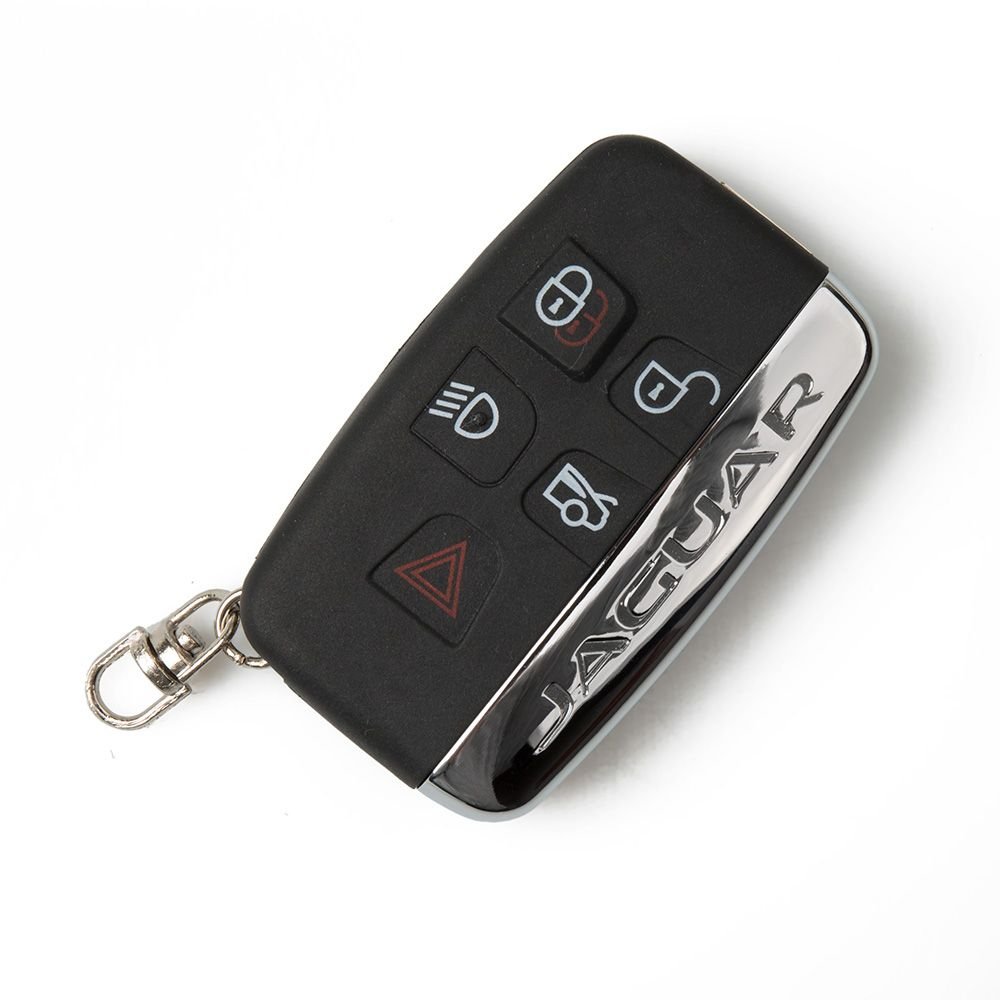
Test the key after repairing it to ensure it functions properly. Test the key by typing in various applications and at different angles to determine if each keystroke is registered correctly. If not you can fix it by using a keyboard repair service. After the repair, it is important to clean the keyboard and keys thoroughly to get rid of any dirt or debris that could cause more problems.
Key switches damaged
A damaged switch for a keyboard is a common cause for unresponsive keyboard keys. This issue isn't difficult to fix, though it can be difficult to identify for some. In most cases the key's switch pin has broken off inside the switch assembly. It is possible to fix this by removing the cap on the key, cleaning the switch assembly and reattaching or replacing your key. Alternately, you could replace the entire key carriage.
First, ensure that you have the appropriate tools to complete the task. In general, you'll need an instrument for prying (something plastic, like credit card or Spudger is ideal; you can use butter knife or a flathead screwdriver when you need one) and the needle-nose pliers or tweezers, along with an appropriate container to hold the parts of the key while you work. It is also crucial to ensure that you are grounded prior to making any repairs. This will help prevent static electricity from causing damage to the computer's internal components.
After you have gathered all the tools required, start by examining the anatomy of your key. The majority of keys consist of three components: the key cap as well as the carriage and key pad. The key cap is on top of the key. The carriage is a flat piece plastic that sits on top of on top of the key. The key pad is a rubber piece that sits between the key carriage and the keyboard.
Often, a broken key switch can be caused by dirt or grime that has settled in the area below the key. If there is enough dirt or dust within the switch's cavity to block light transmission it can cause the switch to not work. This is a simple problem to fix. Remove love it from the key and clean the switch assembly with a Q-tip. 95% isopropyl alcohol and then reattach or replace keycap.
The majority of key switches can be replaced by hot-swapping without the need to solder. Some key switches, however, are soldered to the keyboard and require more competence and expertise to remove. If your keyboard is soldered, you'll need to use a keycap remover and a source of heat to get rid of the old switch.